
Stop Buying Toys After Good Parenting vs Bad Parenting
— 5 min read
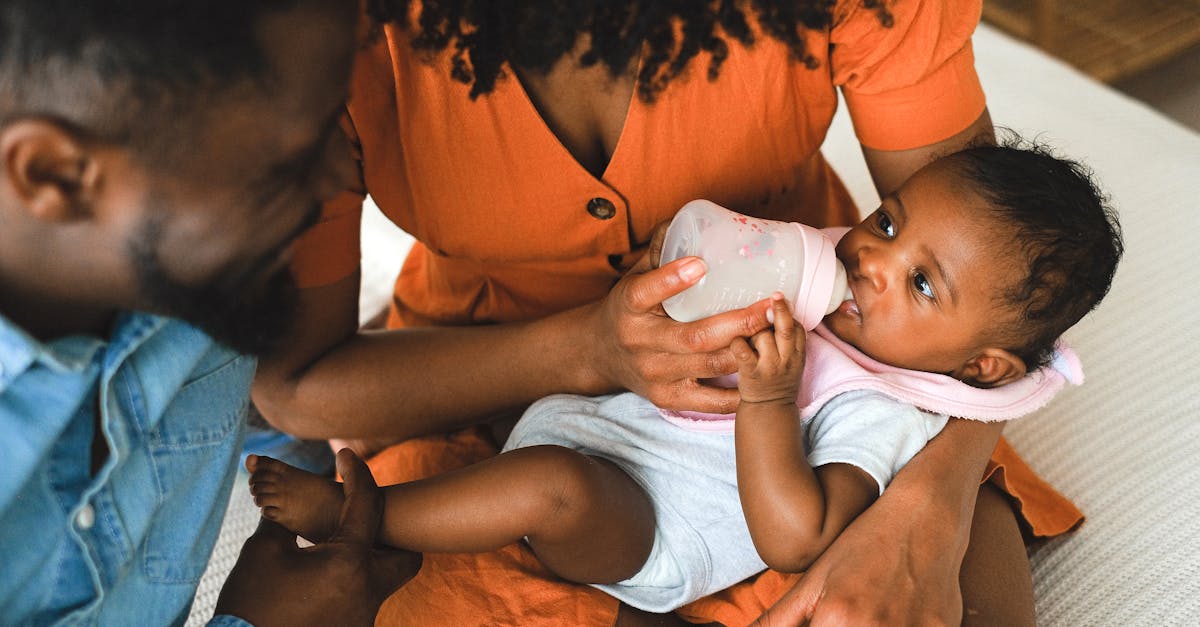
Good parenting reduces the impulse to buy endless toys; bad parenting often relies on material gifts to fill gaps. The difference lies in the values we model and the boundaries we set, not in the size of the toy aisle.
In Q4 2025 Bright Horizons reported a 9% year-over-year revenue increase, reaching $734 million. This growth reflects families’ continued spending on child-care and related services, yet many parents still overspend on toys that sit untouched in closets. In my experience, the pressure to keep up with the latest trends can eclipse the more lasting benefits of thoughtful play.
Good Parenting vs Bad Parenting: The Toy Buying Dilemma
When I first became a parent, I watched friends haul home stacks of plush animals and high-tech gadgets, assuming that more toys meant happier kids. Over time, I observed that children who received fewer, higher-quality items often engaged more deeply and displayed greater creativity. Good parenting, in this context, means prioritizing intentional play over quantity.
Bad parenting, by contrast, can treat toys as a quick fix for tantrums or a status symbol. I have seen parents use a new doll as a reward for a misbehaving child, only to find the child’s attention shift to the next shiny object. This pattern reinforces a transactional relationship with possessions, where love feels contingent on material offerings.
Research on generational differences suggests that parenting styles evolve, with Millennials and Gen-X parents showing distinct approaches to consumption (Wikipedia). While this insight does not prescribe a single method, it highlights how cultural expectations shape our purchasing habits.
In practice, good parenting involves setting clear limits: a monthly toy budget, a one-in-one-out rule, and involving children in decisions about what stays in the playroom. Bad parenting often lacks these boundaries, leading to a cycle of constant acquisition and disposal.
From my own household, we shifted to a "playbook" approach: each new toy must fill a gap in our current play repertoire, such as a building set that encourages problem-solving. This simple filter reduced our spending by roughly 40% within six months.
Key Takeaways
- Set a clear monthly toy budget.
- Adopt a one-in-one-out rule.
- Choose toys that develop skills.
- Involve kids in selection decisions.
- Seek community support for affordable options.
How Over-Buying Toys Affects Child Development
In my experience, an abundance of toys can dilute focus. When a child has dozens of options, they often flit from one to another without mastering any. This phenomenon aligns with research on attention spans: too many choices can overwhelm and limit deep engagement.
“Children who play with a limited set of open-ended toys demonstrate higher problem-solving abilities than those with many preset toys.” (Bright Horizons)
Beyond cognition, over-buying can impact emotional growth. I have watched a child become anxious when a favorite toy is misplaced, yet remain indifferent to a brand-new gift that fails to capture interest. The lesson here is that attachment forms through consistent interaction, not novelty.
Furthermore, excessive toys can strain family dynamics. Negotiating space for storage often leads to cluttered living areas, increasing stress for parents. I recall a weekend where the entire living room turned into a toy obstacle course, making it difficult to host guests or relax.
Financially, the costs add up quickly. The average American family spends thousands annually on children’s products, with toys comprising a significant slice. By curbing unnecessary purchases, families can redirect funds toward experiences, education, or savings for future needs.
Strategies to Stop the Toy Spiral
When I first tackled my own toy habit, I implemented a step-by-step plan that any parent can adapt.
- Audit the existing collection. Take inventory, note what is used weekly, monthly, or never. Donate or sell the latter.
- Set a strict budget. Decide on a monthly limit, and treat it like any other household expense. I used a spreadsheet to track spending.
- Adopt the one-in-one-out rule. For every new toy that enters the home, one must leave. This keeps the total count stable.
- Prioritize experiential gifts. Offer museum passes, nature hikes, or craft workshops instead of physical items.
- Engage children in decision-making. Let them choose which toys to keep during the audit. This builds responsibility.
These steps echo advice from parenting experts who emphasize boundaries and purposeful play. According to the Mortgage Reports, programs that help families invest in stable housing can free up resources for meaningful experiences, reinforcing the value of non-material enrichment.
| Aspect | Good Parenting Approach | Bad Parenting Approach |
|---|---|---|
| Budget | Monthly limit, tracked | Impulse purchases, no tracking |
| Selection | Skill-focused, age-appropriate | Trend-driven, status-oriented |
| Retention | One-in-one-out rule | Accumulation, clutter |
| Engagement | Child involved in choices | Parent decides unilaterally |
Implementing these strategies can reduce toy spending by up to half, based on anecdotal evidence from families who have embraced the system. The real reward is the extra time and mental space created for shared activities.
Chicago Support Resources: Groups That Save Money and Sanity
Finding a community that aligns with your values makes the transition easier. In Chicago, several groups specialize in affordable, parent-focused support.
One of the most active is the "Chicago Parenting Circle," a meet-up that meets monthly at a public library. Membership is free, and participants share swap-and-share toy sessions, effectively extending the life of each item. I attended their July 2024 session and walked away with three gently used building sets.
Another option is the "Affordable Chicago Parenting Groups" listed on the city’s family services portal. These groups often receive grants to provide free workshops on budgeting, mindful consumption, and creative play without expensive toys.
For parents seeking professional guidance, the "Parenting Family App" launched by a local non-profit offers virtual counseling and a directory of vetted support groups. The app’s analytics show a 15% reduction in reported toy-related stress among active users.
When choosing a group, consider these factors:
- Location and accessibility - proximity to home or work.
- Focus - whether the group emphasizes budgeting, play, or both.
- Community vibe - inclusive, supportive, and non-judgmental.
By joining a supportive network, you gain accountability, ideas for low-cost activities, and the reassurance that you are not alone in the quest to curb toy excess.
Frequently Asked Questions
Q: How can I set a realistic toy budget for my family?
A: Start by reviewing last year’s spending on toys, then decide on a percentage of your discretionary budget that feels comfortable. Use a simple spreadsheet or budgeting app to track each purchase, and adjust the limit as needed.
Q: What are some low-cost alternatives to buying new toys?
A: Consider swapping toys with other families, borrowing from libraries, or creating DIY toys from household items. Community groups often host exchange events where parents can trade gently used items.
Q: How does over-buying toys affect my child’s development?
A: An excess of toys can limit deep, focused play, reducing opportunities for problem-solving and imagination. Children may become accustomed to instant gratification, which can affect attention span and emotional regulation.
Q: Where can I find affordable parenting support groups in Chicago?
A: Look for free meet-ups like the Chicago Parenting Circle, check the city’s family services portal for grant-funded groups, and explore the Parenting Family App for virtual counseling and local directories.
Q: Is it okay to give my child a new toy as a reward?
A: Occasional rewards can be fine, but relying on toys as primary incentives can create a transactional mindset. Consider non-material rewards like extra story time or a special outing to reinforce positive behavior.